

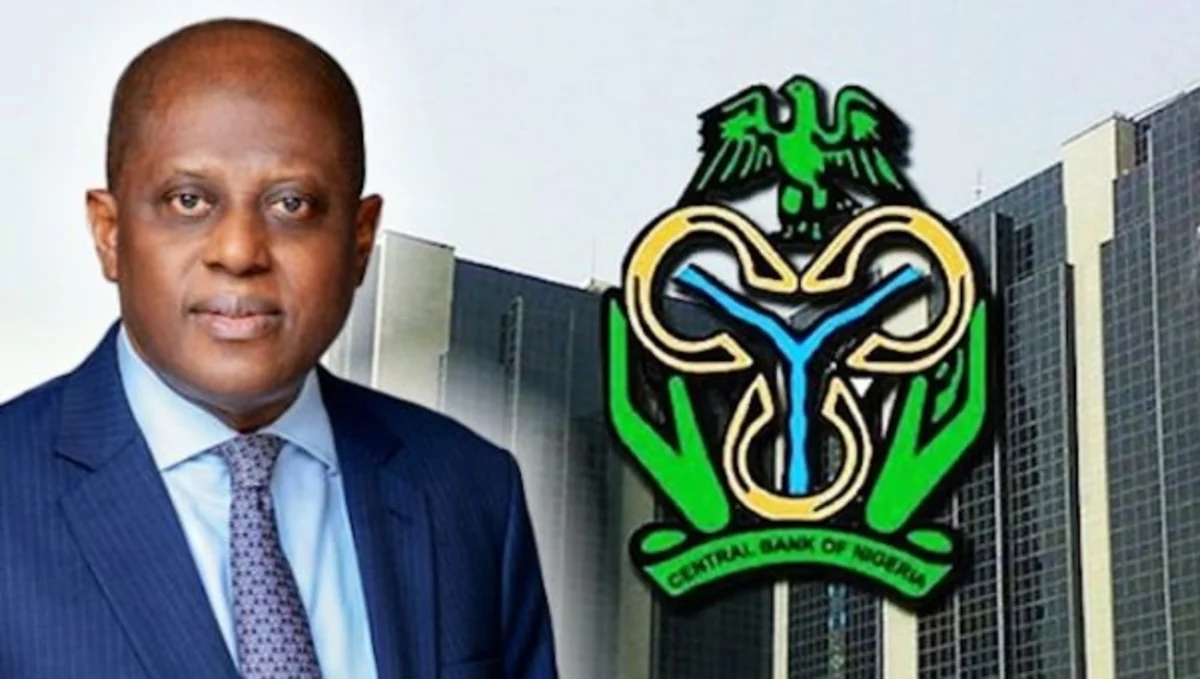
The Central Bank of Nigeria (CBN) has raised the weekly dollar purchase limit for bureau de change (BDC) operators from $150,000 to $1 million, a temporary measure designed to ease liquidity constraints in the foreign exchange market and reduce renewed pressure on the naira.
The directive, communicated to banks by email and taking effect on Wednesday, November 25, 2026, allows licensed BDCs to obtain the full allocation in physical dollar notes.
Under the previous arrangement, banks could sell a maximum of $150,000 weekly to each BDC, of which only 25 per cent—or $37,500—could be withdrawn in cash. The new policy permits BDCs to receive up to 100 per cent of an approved foreign exchange purchase in cash from the authorised dealer bank where they maintain their settlement account.
Sources familiar with the development confirmed the change to journalists on Wednesday. Banks have already begun contacting BDC operators to implement the revised arrangement.
The CBN stated that the increase is intended “to address seasonal demand pressures and improve orderly access to US$ cash for end users.”
The apex bank also pledged to support authorised dealer banks with any additional cash required to meet the demand of their BDC clients.
All licensed BDCs may access dollar cash for foreign exchange purchased through the Nigerian Foreign Exchange Market via the banks with which they hold accounts. Banks act solely as intermediaries between the BDCs and the market through the purchase tracker platform.
ALSO READ: Alleged N110bn laundering: How I received money to pay Yahaya Bello’s children’s school fees — BDC operator
The intervention comes as the naira faces fresh depreciation pressures in both the official and parallel markets. CBN Governor Olayemi Cardoso has attributed the recent volatility to seasonal demand, portfolio adjustments by investors, and increased foreign currency needs by businesses seeking to hedge against possible exchange rate movements ahead of the new year.
He also cited election-related spending as a contributing factor.
Speaking after the Monetary Policy Committee meeting, Cardoso expressed optimism that the pressures would ease significantly as the country moves into 2027.
He noted that Nigeria’s external position remains supported by favourable current account balances and sustained diaspora remittance inflows, which stood close to $1.9 billion in the preceding month.
Market analysts say the previous cash withdrawal restriction had limited BDC operators’ ability to meet retail demand for physical dollars.
This forced many operators to source currency from alternative channels and contributed to the premium in the parallel market.
Experts say the expanded cash allocation is expected to improve the supply of physical dollars through the official banking system, particularly for individuals and small businesses requiring foreign currency notes for travel and other legitimate transactions.
The temporary nature of the increase suggests the CBN will monitor its impact on liquidity and exchange rate stability in the coming weeks. Officials have not indicated how long the higher limit will remain in place, but the move forms part of broader efforts to ensure more orderly distribution of foreign exchange at the retail end of the market.
By allowing BDCs greater access to physical dollars, the central bank aims to reduce distortions between the official and parallel rates while supporting legitimate end-user demand during a period of elevated seasonal and domestic pressures.
WATCH TOP VIDEOS FROM NIGERIAN TRIBUNE TV
