

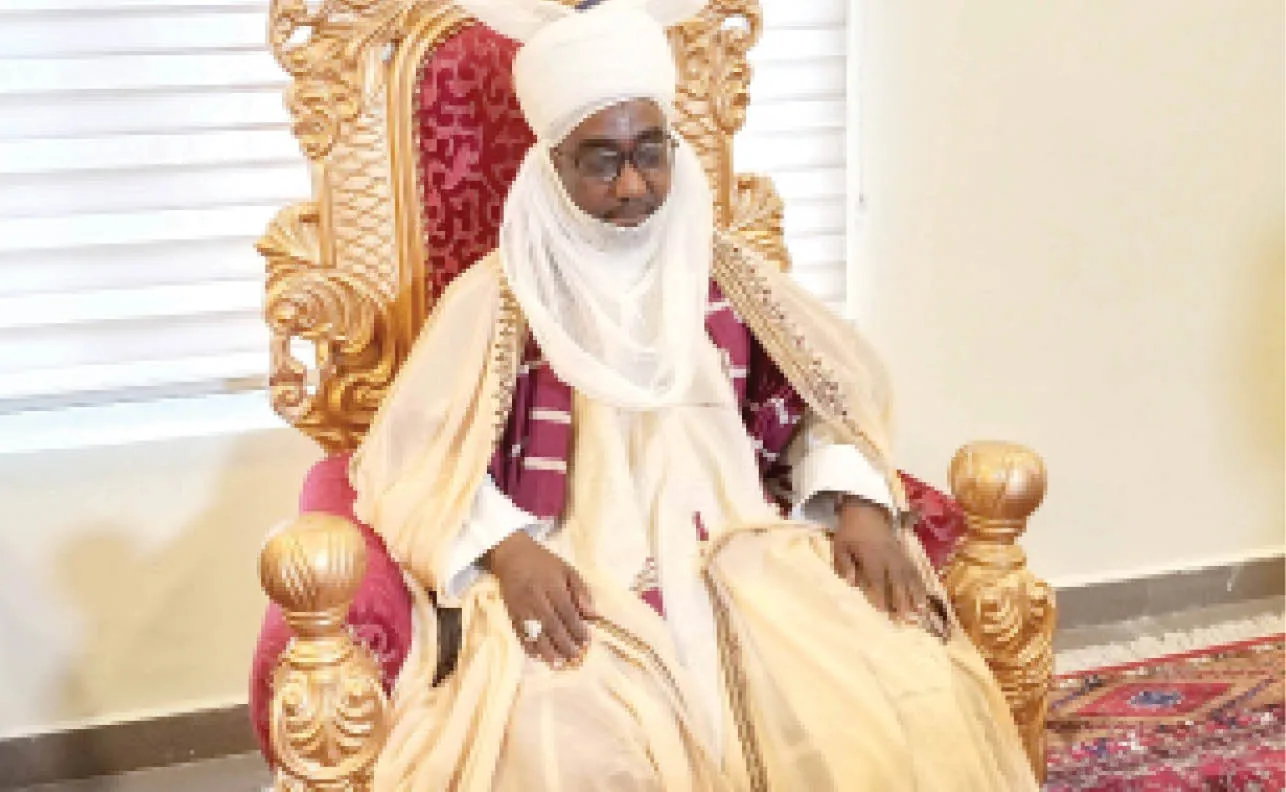
Our book focuses primarily on the traditional institution, with particular emphasis on His Highness, the Emir of Zazzau, Ambassador Ahmed Nuhu Bamalli, CFR. It presents an invaluable opportunity to document and critically examine the life and leadership of one of Nigeria’s prominent traditional rulers.
The Zazzau Emirate, with its deep historical roots and enduring cultural influence, remains central to understanding the political, social and religious dynamics of Northern Nigeria. By exploring the Emir’s personal journey, administrative vision and role in contemporary governance, the book promises to contribute meaningfully to scholarship on leadership, identity and the evolving relevance of traditional institutions in modern society.
The relevance of the book cannot be overemphasised. Traditional rulers continue to occupy a unique place in Nigeria’s socio-political landscape, serving as custodians of culture, mediators in conflict resolution and moral voices in governance. Against this backdrop, documenting the life and leadership of the Emir offers immense value on several fronts.
First, it preserves history by documenting the life of a leader whose personal experiences and achievements reflect the resilience and transformation of the Zazzau Emirate. Second, it contributes to cultural knowledge by highlighting the traditions, ceremonies and institutions that define one of the most historic emirates in Northern Nigeria. Third, it examines the contemporary relevance of traditional leadership by exploring how the Emir navigates the challenges of modernisation, education, economic development and interfaith relations while safeguarding cultural heritage. Beyond its academic value, the book will serve as an educational resource for students, researchers, policymakers and the general public.
The book captures the Emir’s remarkable journey through three key phases: his early exposure to traditional leadership through his father, the late Magajin Garin Zazzau, Nuhu Bamalli; his career in banking and diplomacy; and, ultimately, his realisation of the aspiration of many princes to ascend the throne as emir.
His early career in banking laid the foundation for the discipline, accountability and strategic vision that characterise his leadership. His experience demonstrates how modern professional expertise can enrich traditional authority. This blend of professional experience and traditional tutelage embodies the delicate balance between preserving centuries-old customs and addressing the pressing needs of contemporary society, from education and youth empowerment to peacebuilding and interfaith harmony.
Beyond the emirate, his diplomatic experience highlights his capacity to represent cultural values on regional, national and international platforms. It also underscores his potential to serve as a bridge between communities and demonstrate the continued relevance of traditional institutions in modern governance. Taken together, these dimensions offer a comprehensive portrait of a leader whose influence extends beyond the throne.
Importantly, his career trajectory resonates with a generation of lawyers, bankers and traditional titleholders who often face the challenge of reconciling professional aspirations with cultural responsibilities. His life illustrates that professional excellence and cultural stewardship are not mutually exclusive but can be harmonised in ways that promote service, dignity and integrity.
For scholars, the book offers a valuable case study of how modern professional expertise intersects with traditional leadership, providing insights into governance, cultural preservation and social development in Nigeria.
For the general public, it presents an account of resilience, service and leadership. It highlights how a leader grounded in cultural heritage can embrace modernisation and global engagement, offering lessons in discipline, unity and progress. Students and young professionals may draw inspiration from his career trajectory, while policymakers and community leaders can learn from his approach to conflict resolution, education and interfaith dialogue.
Ultimately, a book of this nature has the potential to strengthen cultural pride, foster national cohesion and project the values of the Zazzau Emirate to a wider audience.
For the book to have lasting value, however, it must be written with balance and objectivity. While documenting the Emir’s achievements, it should also acknowledge the challenges he has encountered and the broader context in which he has exercised his leadership. This will ensure that the work goes beyond mere praise. Drawing on archival records, oral histories and independent research will further strengthen its credibility, making it both a tribute to the Emir and a reliable historical resource.
In conclusion, a book on His Highness, the Emir of Zazzau, offers a rare opportunity to document the life of a leader whose experience bridges modern professionalism and traditional authority. His journey through banking, diplomacy and traditional leadership offers inspiration to professionals and those interested in traditional institutions, while contributing valuable insights to scholarship and public discourse. Written with balance, depth and objectivity, the book will help preserve his legacy, deepen understanding of Nigeria’s traditional institutions and inspire future generations.
UPDATE NEWS:
Nigerians can now invest ₦2.5 million on premium domains and profit about ₦17-₦25 million. All earnings paid in US Dollars. Rather than wonder,
click here to find out how it works.
