

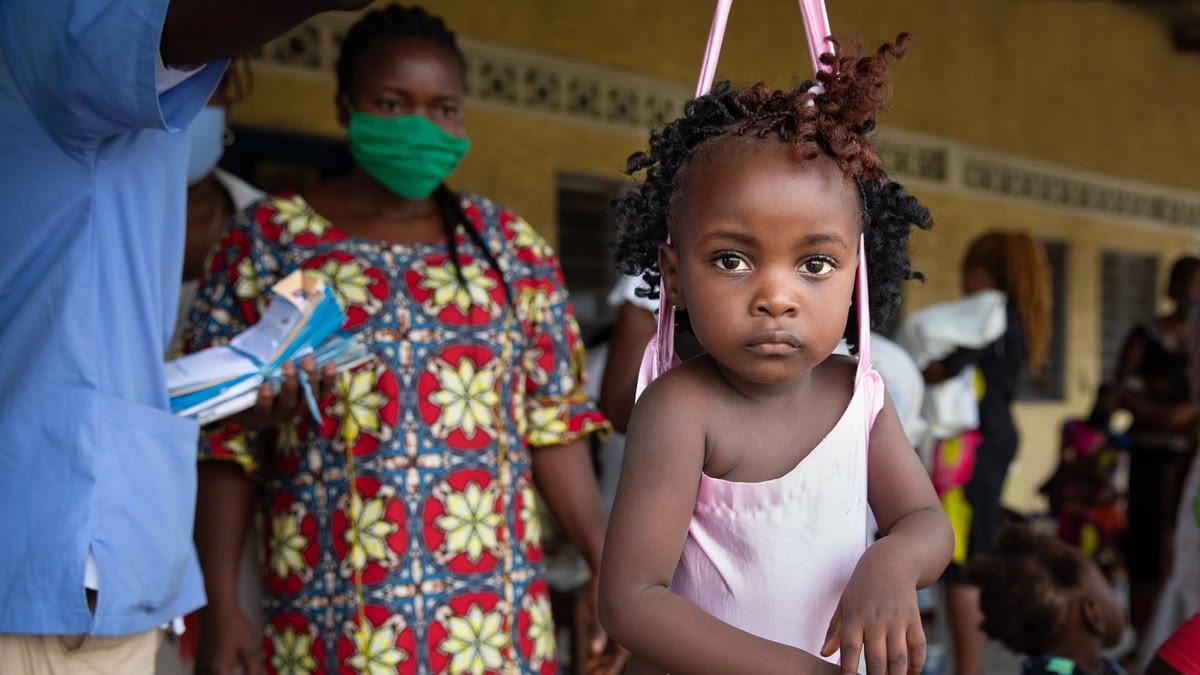
About four in 10 children under the age of five in Nigeria suffer stunting, highlighting the country’s persistent child nutrition challenge despite ongoing health sector reforms.
Daju Kachollom, Permanent Secretary, Federal Ministry of Health and Social Welfare, disclosed this at a health conference organised by Association of Nigeria where she acknowledged that child stunting remained one of the major challenges confronting the country’s health sector.
“Stunting remains unacceptably high, affecting about four in 10 children under five,” Kachollom said.
She said the government had recorded progress in some areas of healthcare delivery, including the revitalisation of primary healthcare centres, increased health insurance enrolment and expansion of vaccination programmes, but significant gaps remained.
The Permanent Secretary also identified the high cost of healthcare, uneven quality of services and inadequate distribution of health workers as challenges affecting access to healthcare across the country.
Kachollom said the Federal Government was working with state governments and development partners to strengthen healthcare delivery and ensure that health sector reforms translated into better outcomes for Nigerians.
Read also: Adamawa records 48.6% child stunting, government, UNICEF intensify nutrition intervention
Alos presenting at the conference, the Africa Health Budget Network (AHBN) called on state governments to establish dedicated budget lines for adolescent health and well-being, citing Kano State’s N100 million allocation in 2025 as a model for other states.
The organisation also urged the Federal Government to ensure the timely release of approved funds for family planning to strengthen reproductive health services for women and adolescents.
Khadija Bobboyi, Health Systems and Business Development Lead at AHBN made the call while presenting the organisation’s Collaborative Advocacy Action Plan, aimed at strengthening accountability and coordinated advocacy for maternal, newborn and child health in Nigeria.
The AHBN official also called for increased allocations and timely disbursement of funds for adolescent health at federal and state levels, noting that dedicated funding was necessary to address the specific health and well-being needs of young people.
On accountability, Bobboyi said the initiative would strengthen the participation of civil society organisations, young people and other stakeholders in national health sector coordination platforms, including the National Health Sector Renewal Investment Initiative and its technical working groups.


