

The Central Bank of Nigeria (CBN) has assured Nigerians that the country’s foreign exchange reserves remain strong enough to withstand external shocks, describing the recent decline as a normal and temporary market adjustment.
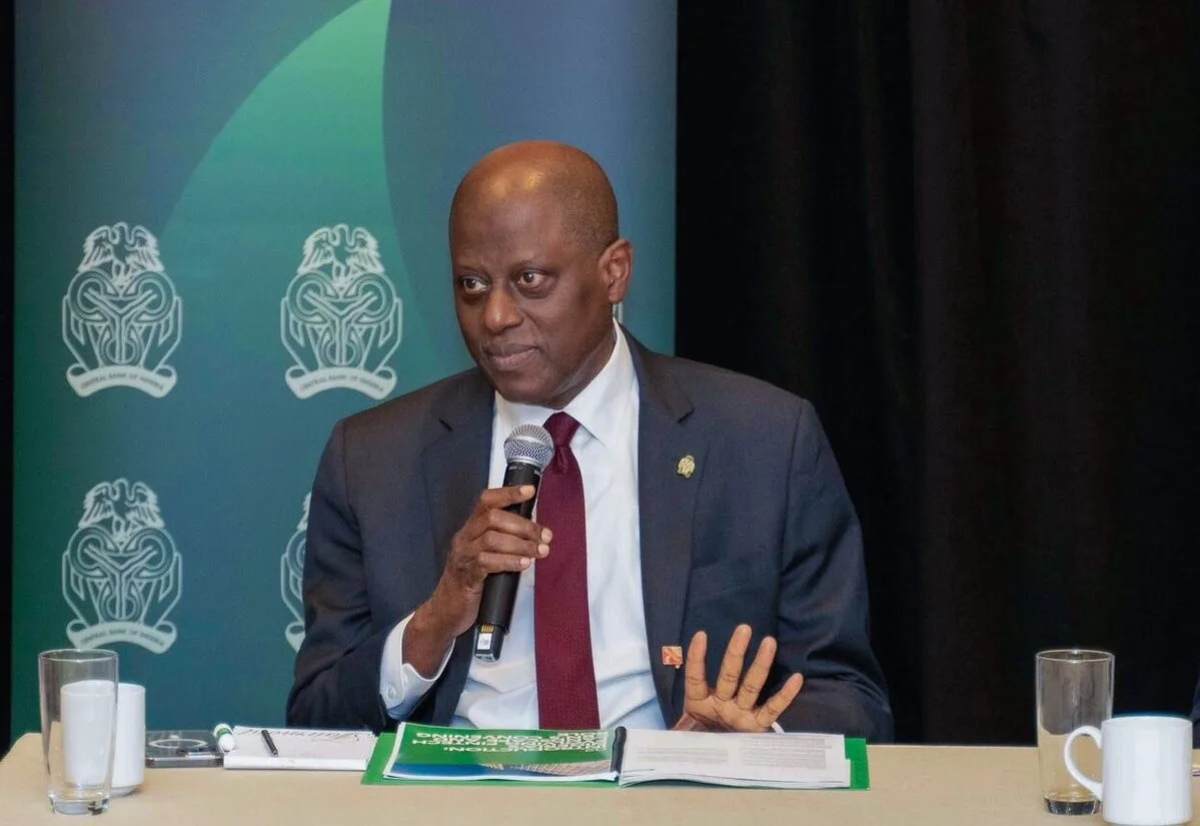
CBN Governor Olayemi Cardoso gave the assurance on Tuesday during a media briefing after the 308th meeting of the Monetary Policy Committee (MPC) in Abuja.
He was responding to a Nairametrics question about whether Nigerians should be concerned by the reported $391 million decline in reserves over two weeks, alongside pressure on the naira in the foreign exchange market.
CBN says $54 billion reserves remain strong
Cardoso said Nigeria’s reserves, which stood between $54 billion and $55 billion, provided approximately 10 months of import cover, giving the country a substantial buffer against external shocks.
- “Buffers remain strong. $54 billion reserves is very substantial,” he said.
He acknowledged that reserves had declined and the exchange rate had experienced some volatility but said the movements were not significant enough to undermine the country’s external position.
- “What you mention is something that is transient. The reserves position has come down, and the exchange rate has had some element of volatility. But I want to tell you that this is normal. It is very normal,” the CBN governor said.
Cardoso added that the underlying conditions in the foreign exchange market were improving and assured Nigerians that the apex bank would continue to take measures to preserve the stability achieved in the market.
Seasonal demand pressures drive FX volatility
The CBN governor attributed some of the recent pressure to seasonal factors, including portfolio investors adjusting their positions towards the end of the year and domestic businesses seeking to hedge against possible foreign exchange movements ahead of the new year.
He also identified increased spending associated with the forthcoming general elections as another source of demand pressure in the foreign exchange market.
- “You have a situation where, when you are coming to the end of the year, it is not unusual for portfolio investors to recalibrate. It’s not unusual.
- “Two, it’s also not unusual that, at the end of the year, many domestic users also want to hedge and buy ahead of next year. That’s also something that happens all the time. These are all seasonal issues,” he said.
According to Cardoso, the CBN expects the volatility to moderate significantly as Nigeria moves into 2027.
He said the country’s external position was also supported by favourable current account balances and sustained diaspora remittance inflows.
The governor disclosed that diaspora remittances were close to $1.9 billion in the preceding month, describing the inflows as an important source of support for the country’s external buffers.
CBN holds rates as reserves fluctuate
The assurance came as the MPC retained the benchmark interest rate at 23% at its 308th meeting, seeking to sustain the decline in inflation amid domestic and global economic risks.
Nairametrics reported that the committee also retained the asymmetric corridor around the Monetary Policy Rate (MPR) at +50/-300 basis points.
Other policy parameters were left unchanged:
The decline followed a month in which reserves recorded slower growth. Gross reserves increased by $295.35 million in October 2026, the slowest positive monthly increase recorded so far in the year.
Meanwhile, Nigeria’s net foreign reserves rose to a record $46 billion, according to an earlier Nairametrics report.
