

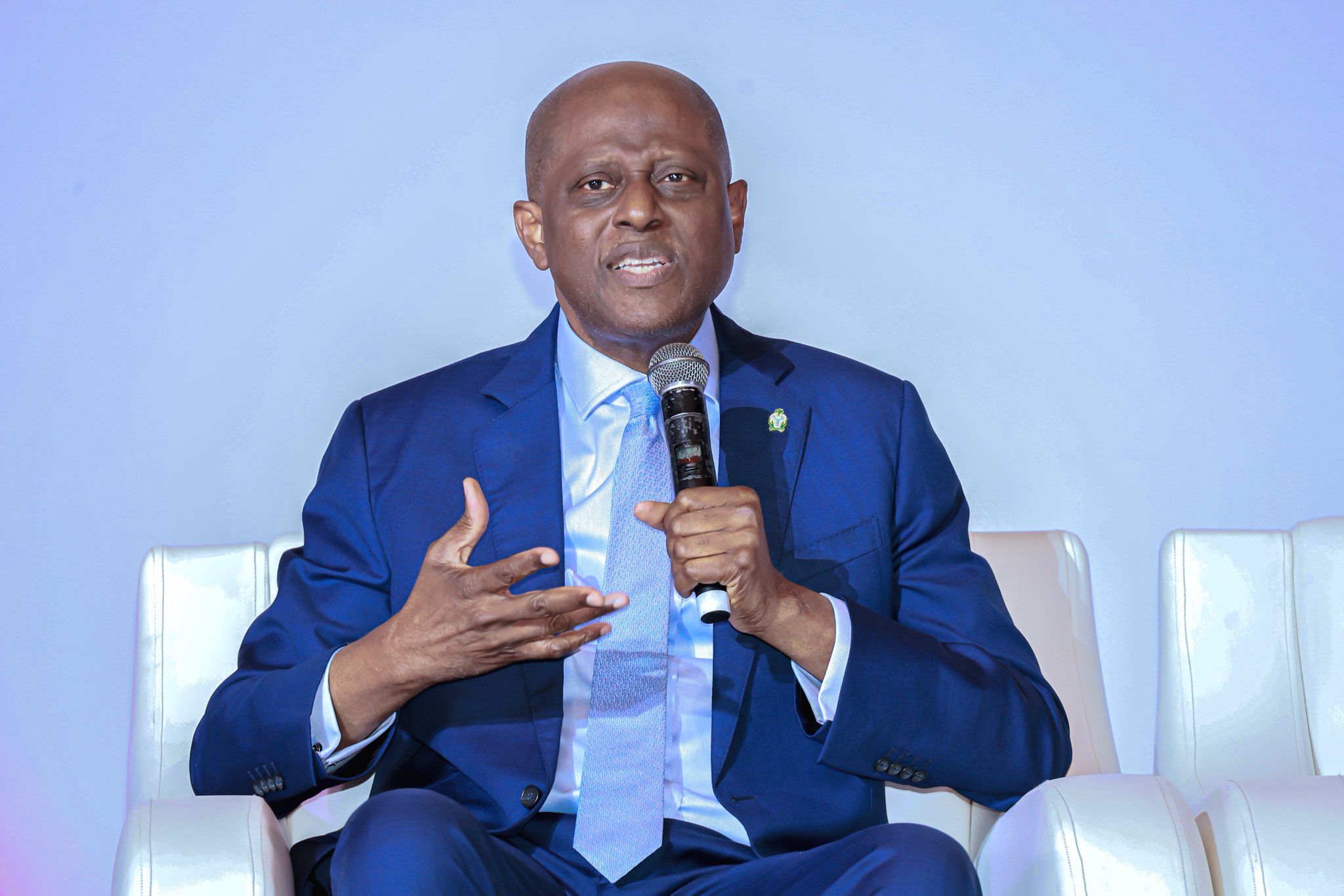
The Central Bank of Nigeria (CBN) has retained the benchmark interest rate at 23 per cent to further support disinflation.
CBN Governor Olayemi Cardoso disclosed the decision at the conclusion of the bank’s two-day, 308th Monetary Policy Committee (MPC) meeting, held from 23 to 24 November in Abuja.
The decision followed the regulator’s September reduction of the MPR to 23 per cent from 26.5 per cent and its adjustment of the policy corridor to strengthen monetary policy transmission.
Speaking on the committee decision, the CBN Governor noted the moderation in headline inflation for five consecutive months, reflecting the impact of sustained exchange rate stability and improved monetary policy transmission.
“However, given the prevailing headwinds, which have slowed the pace of moderation in price pressures, members were of the view that maintaining the current policy stance would further anchor inflation expectations and support the disinflation process,” Mr Cardoso said.
CBN also retained the asymmetric facilities corridor around the MPR to +50/-300 basis points, a move aimed at discouraging banks from keeping idle funds with the CBN and encouraging increased lending into the economy.

Furthermore, the committee maintained the Cash Reserve Ratio (CRR) for commercial banks at 45 per cent, retained the rate for merchant banks at 16 per cent, and kept the CRR on non-TSA public-sector deposits at 75 per cent for liquidity management considerations.
ALSO READ: CBN seeks greater Nigerian representation in ECOWAS Monetary Union governance
The decision came amid Nigeria’s headline inflation rate declining for the third consecutive month, falling from 15.39 per cent in August to 14.63 per cent in September and 14.06 per cent in October 2026, according to the National Bureau of Statistics (NBS).
Before cutting it to 23 per cent in September, CBN retained the interest rate two consecutive times at 26.5 per cent, in May and July, following a 50-basis-point reduction in February from 27 per cent.
Then, the regulator said the efforts were to contain inflationary pressure.
Discover more from Premium Times Nigeria
Subscribe to get the latest posts sent to your email.
