

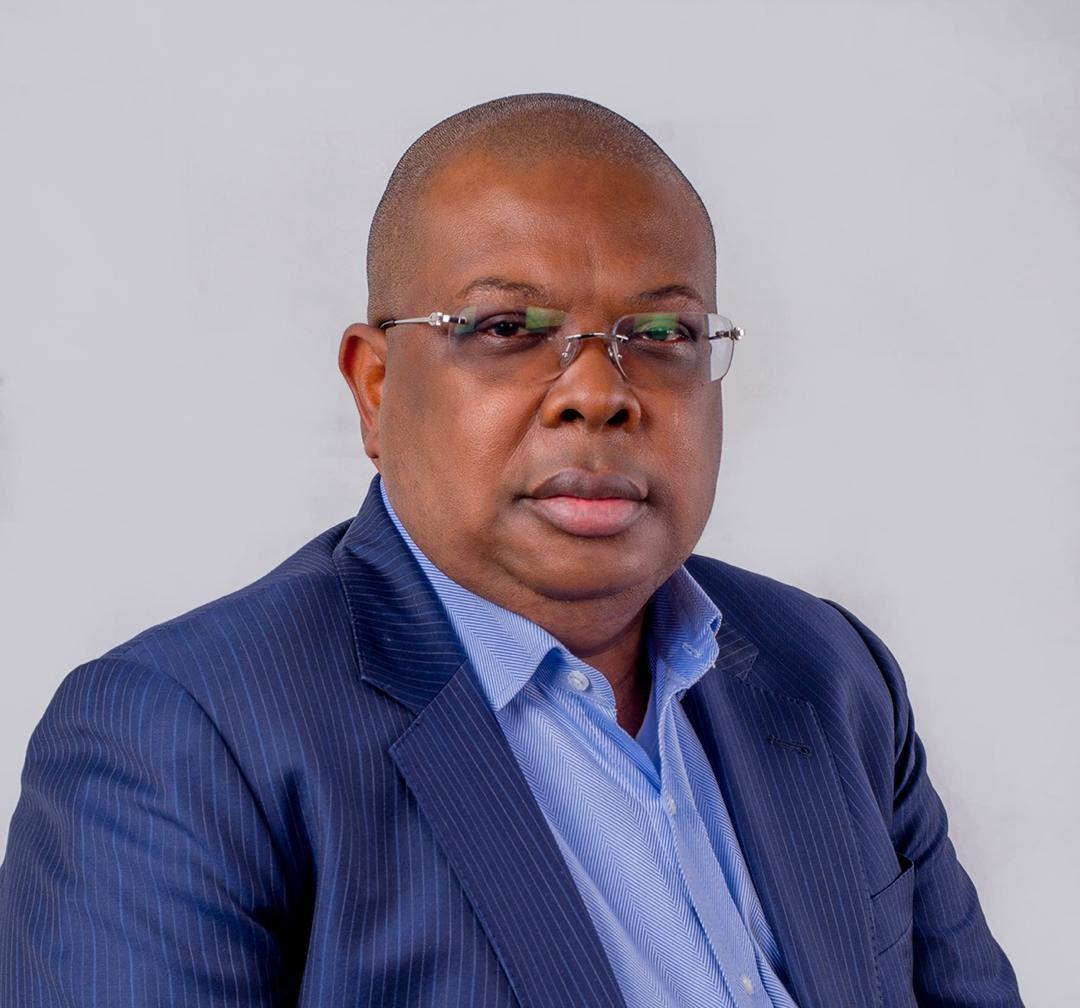
Nigeria plans to settle its remaining debt to power generators by 2027, in part by letting the companies subtract royalties and corporate income tax from what they are owed, Joseph Tegbe , minister of power has said.
The government has paid N1.23 trillion toward a negotiated N3.3 trillion settlement with generation companies, Tegbe said in an interview with Arise News on Monday. That leaves roughly N2.07 trillion outstanding. The settlement was cut from an original claim of about N6 trillion, most of it for gas supplied to power plants.
The arrears have weighed on Nigeria’s electricity sector for years, leaving generators short of cash to pay for fuel and keep plants running. Tegbe called the debt one of the biggest reasons the sector still struggles.
Under the approach Tegbe described, the government would cancel out what the generators owe it against what it owes them. The companies pay royalties and corporate income tax, and those payments could be applied to the debt instead of being collected in cash and then paid back out.
“There’s no point taking money with one hand and giving it with the other hand,” Tegbe said. “So, let’s net it off.”
He said talks with the companies were under way and that they were open to the tax route, subject to conditions he did not detail. He gave no timetable for finalising the arrangement or an estimate of how much of the debt it could cover.
The government is also in discussions with Nigerian National Petroleum Company about lowering the price of gas sold to generators. Tegbe said the state owns the gas, calling it the country’s comparative advantage. NNPC did not immediately comment on the talks.
Tegbe defended the N3.3 trillion figure as a negotiated outcome that the biggest generators had accepted. Asked about companies that were not at the table, he said most of them, and the most important ones, had been present.
He pushed back on criticism of President Bola Tinubu over the debt.
Read also: Aradel raises production outlook as oil, gas prices lift revenue prospects
“It would be unfair to go out and start to castigate Mr. President after you were in the room and you agreed,” he said.
He also appealed to the companies’ accounting practices, saying firms often make provisions against debts on their books and that generators should share in the burden. “Let’s give Nigerians power,” he said.
Tegbe, who described himself as an accountant, said the government could not direct all available funds to one sector. He pointed to competing demands from education, health and agriculture, and said the president had to balance them. He added that the administration had strengthened the country’s reserves, which he said could support borrowing for productive sectors.
The government has already used the bond market to chip away at the arrears. In February, it deployed about N501 billion under the first series of its Presidential Power Sector Debt Reduction Programme, made up of N300 billion in cash and N201 billion in non-cash bond instruments. In July, it launched a N729 billion bond under the programme’s second series to pay verified legacy debts.
Tegbe said N1.23 trillion in payments within roughly 18 months was significant given economic conditions. He said the administration was on track to pay the rest next year.
Several questions are open. The minister did not say how much of the remaining balance could be covered by royalty and tax offsets versus cash or further bond issuance. Nor did he say whether generators that skipped the negotiations would be bound by the N3.3 trillion figure, or whether any dissenting companies could still press for the original claim.
Offsetting taxes and royalties could ease pressure on the budget, since it reduces the cash the government must find. It would also shrink the revenue the state collects from the companies in the near term, a trade-off Tegbe did not address. Cheaper gas would help generators’ finances, but it would also reduce what NNPC earns from supplying them.
For now, the plan rests on negotiations that are not complete. If the generators and NNPC sign on, the government will have a way to clear what remains of a debt that has hampered the power sector for years without borrowing the full amount. If they do not, the 2027 target will depend on further bond issuance and budget allocations that Tegbe has said must compete with other priorities.

Dipo Oladehinde is a skilled energy analyst with experience across Nigeria’s energy sector alongside relevant know-how about Nigeria’s macro economy.
He provides a blend of market intelligence, financial analysis, industry insight, micro and macro-level analysis of a wide range of local and international issues as well as informed technical rudiments for policy-making and private directions.


