

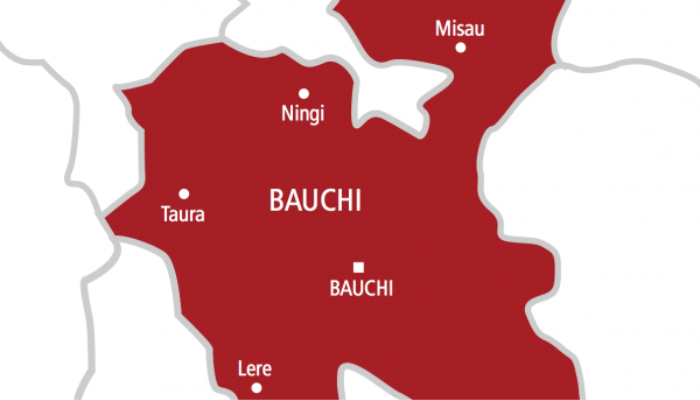
Collaboration between the Bauchi State Government, international development agencies, and private manufacturers is sustaining open defecation-free (ODF) status in Ningi Local Government Area (LGA), stakeholders have said.
Speaking during activities marking the 2026 World Toilet Day, themed “Safe Toilets, Equal Future”, officials said combining institutional oversight with donor financing and market-based solutions is accelerating household investment in dignified facilities across rural communities.
Bala Zailani, assistant general manager of the Bauchi State Rural Water Supply and Sanitation Agency (RUWASSA), who represented the general manager, attributed Ningi LGA’s sustained ODF status to a tripartite framework. The partnership brings together RUWASSA, the United Nations Children’s Fund (UNICEF) Bauchi Field Office, and LIXIL, manufacturers of the SATO Pan sanitation technology.
”Achieving and sustaining ODF status requires more than toilet construction; it demands strong government leadership, development partner support, private-sector innovation, and continuous community commitment,” Zailani said.
Read also: What the latest Ebola case reveals about Nigeria’s preparedness for the next pandemic
Tripartite model drives rural sanitation
Under the operating model, RUWASSA leads institutional regulation, community triggering, and post-ODF monitoring through local Water, Sanitation, and Hygiene (WASH) structures. UNICEF provides technical assistance, capacity building, and behaviour-change advocacy through the Community-Led Total Sanitation (CLTS) approach.
To address affordability constraints among low-income households, LIXIL leads the commercial arm of the initiative. The company conducts sanitation marketing, trains local Toilet Business Owners (TBOs), and strengthens last-mile supply chains for the SATO Pan, a low-cost, water-saving toilet interface.
Market-led solutions cut donor reliance
Zailani said integrating private enterprise into rural sanitation has deepened local markets and stimulated household spending on upgraded facilities, reducing reliance on donor-funded hardware subsidies.
James Zakka, a sanitation officer with RUWASSA, said the annual November 19 observance highlights the direct link between safe sanitation, public health resilience, and local economic productivity. He warned that sanitation deficits expose communities to preventable waterborne outbreaks such as cholera and diarrhoea, while contaminating groundwater and surface water sources.
Public health and economic gains
Zakka said the 2026 theme mandates government institutions, traditional rulers, and civil society to dismantle structural barriers to sanitation access, particularly for women, girls, children, and persons with disabilities.
”Safe toilets provide privacy, security, dignity, and protection while creating healthier and more inclusive communities,” Zakka said, calling for sustained community ownership to prevent slippage.
Beneficiaries at the event pointed to tangible social and economic gains from the market-led intervention. Binta Shehu, a women’s leader in Ningi, commended the state government and UNICEF for prioritising women and children in reaching the ODF milestone.
Halima Mahmood, a local resident, said access to improved household toilets has eliminated open-defecation risks while restoring safety, order, and dignity to her family’s daily routine.


