

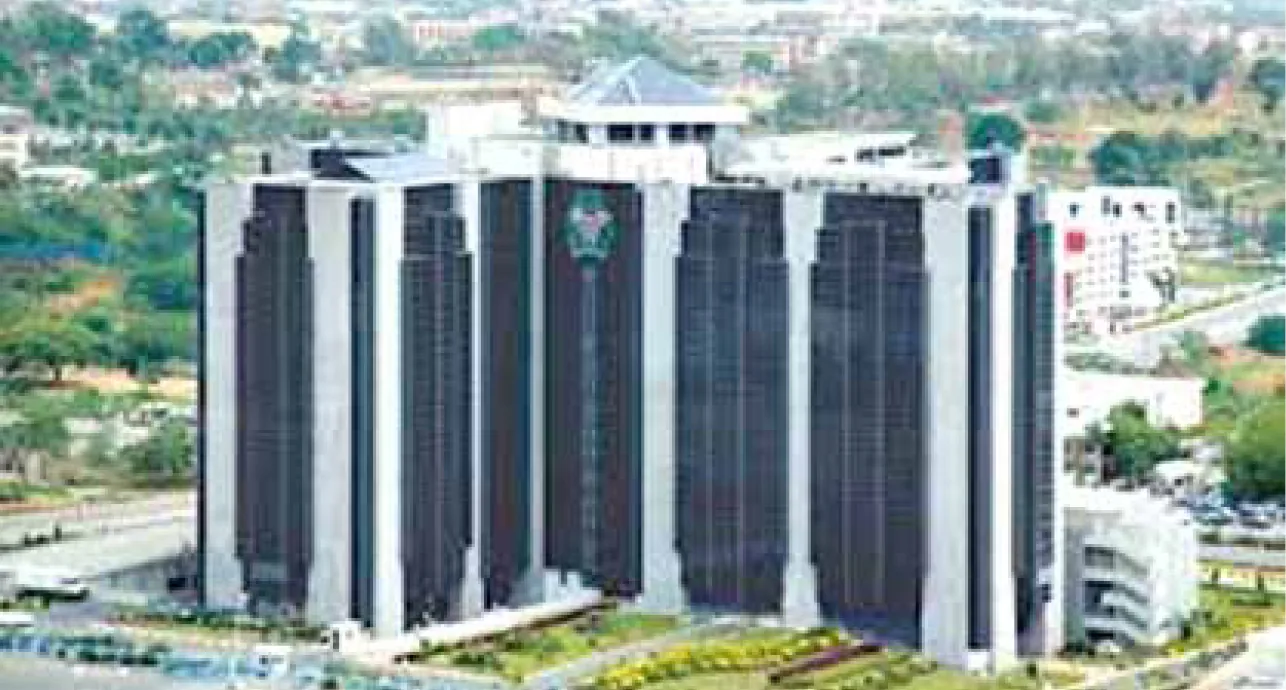
The Central Bank of Nigeria (CBN) has moved to ease pressure on the naira and improve foreign exchange liquidity by authorising banks to sell up to $1m in physical cash to Bureau De Change (BDC) operators under a new arrangement expected to strengthen dollar supply in the retail market.
The approval, which takes effect November 25, 2026, allows BDC operators to access their full $1m allocation in physical dollar notes, marking a significant departure from the previous arrangement that restricted cash withdrawals to just 25 per cent of banks’ approved weekly foreign exchange sales to the operators.
Under the former guidelines, banks were allowed to sell a maximum of $150,000 weekly to BDCs, out of which only $37,500 could be obtained in cash, leaving operators with limited access to physical foreign currency to meet retail demand.
However, sources familiar with the development disclosed that the apex bank communicated the revised directive to banks through an email, authorising them to increase cash dollar sales to BDC operators.
The CBN is also expected to provide additional cash liquidity to banks where necessary to ensure they can meet the new allocation.
The development is expected to improve the supply of physical dollars through the official banking system, particularly for individuals and small businesses requiring foreign currency notes for travel and other legitimate transactions.
The previous cash withdrawal restriction had constrained the ability of BDC operators to meet demand for physical dollars, forcing them to explore alternative sources of supply and potentially contributing to the premium in the parallel market.
The latest intervention came amid renewed pressure in the foreign exchange market, with the naira recording further weakness in recent trading sessions.
Data from the Nigerian Foreign Exchange Market showed that the exchange rate closed at N1,397 per dollar on November 25, compared with N1,396.50 on November 24 and N1,393 on November 23.
The figures indicate that the naira has continued to trade under pressure despite efforts by the CBN to improve foreign exchange liquidity.
The local currency had closed at N1,379.99 per dollar on November 18 before weakening to N1,388 on November 19 and N1,394 on November 20.
It subsequently closed at N1,393 on November 23, N1,396.50 on November 24 and N1,397 on November 25.
The November 25 trading session also recorded an intraday high of N1,402 per dollar and a low of N1,390, while the weighted average exchange rate stood at N1,394.1621.
Confirming the new development in a chat with Daily Trust, the President of the Association of Bureau De Change Operators of Nigeria (ABCON), Alhaji Aminu Gwadabe, said the new directive would improve liquidity in the foreign exchange market and potentially have a positive impact on the exchange rate.
“It’s confirmed. They have written to banks to make that sale,” he said.
Explaining the implications of the policy, Gwadabe said increased dollar supply to BDC operators would improve liquidity in the market and support exchange rate stability.
According to him, the intervention is particularly important given the recent pressure on the naira and the seasonal increase in demand for foreign exchange.
He noted that the naira had experienced downward pressure for some time, adding that the current period of heightened economic and political activities could further increase demand for dollars.
Gwadabe said the intervention was necessary to moderate volatility and demonstrate the CBN’s readiness to defend the naira against further pressure.
He added that the increased allocation would also help restore activity in the BDC subsector, which had experienced a slowdown in business due to limited access to foreign exchange.
On the readiness of operators to take advantage of the new arrangement, the ABCON president said members were eager to resume more active business as the improved access to physical dollars would create opportunities to meet customers’ needs.
“Our members are hungry already because it has been long that business has been somehow slow. I think with this, it will steer confidence and make the subsector active and vibrant,” he said.
In recent times, there have been concerns over increased demand for foreign exchange arising from seasonal transactions, election related expenses, portfolio adjustments and businesses seeking to hedge against possible exchange rate movements ahead of the New Year.
CBN Governor, Olayemi Cardoso, had identified these factors as contributing to renewed pressure in the foreign exchange market.
Speaking at the conclusion of the Monetary Policy Committee meeting, Cardoso also identified election-related spending as another factor driving demand for foreign exchange, warning that the combination of seasonal and domestic pressures had contributed to recent market volatility.
He, however, expressed optimism that the pressure would moderate significantly as the country moves into 2027.
UPDATE NEWS:
Nigerians can now invest ₦2.5 million on premium domains and profit about ₦17-₦25 million. All earnings paid in US Dollars. Rather than wonder,
click here to find out how it works.
