

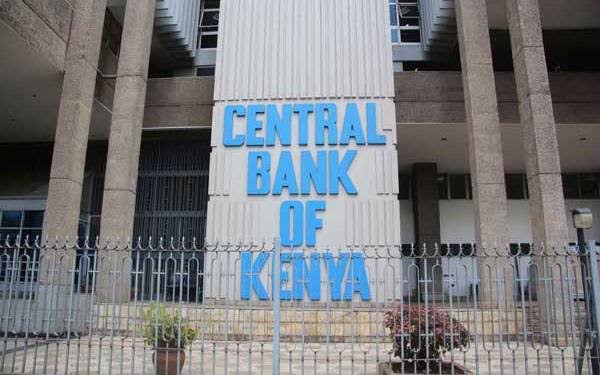
Kenya’s foreign-exchange reserves fell by $656 million in the week to November 19, 2026, reducing the country’s import cover from 5.9 months to 5.6 months (about five months and 18 days), according to the Central Bank of Kenya (CBK).
The CBK’s Weekly Bulletin dated November 20, 2026, showed that reserves declined from $14.605 billion to $13.949 billion.
Despite the decline, the reserves remain above the central bank’s statutory minimum of four months of import cover, providing a buffer for meeting external payment obligations.
Kenya import cover drops to 5.6 months
The latest decline represents a reduction in Kenya’s foreign-exchange buffer over the one-week period, although the reserves remain above the statutory threshold.
The CBK also reported that the Kenyan shilling traded at $0.00769 on November 19, compared with $0.00769 a week earlier.
Independent analyst Wycliffe Ochieng said weekly movements in foreign-exchange reserves could reflect large payments falling due within a particular period.
- “A single-week drop of this magnitude is not unusual when large import invoices or debt repayments fall due,” Ochieng said.
He added that the key consideration was whether import cover remained comfortably above the four-month threshold and whether the shilling faced sustained pressure.
The direction of reserves in the coming weeks will therefore be important in determining whether the latest decline is temporary or signals a more sustained reduction in the country’s external financial buffer.
Kenya money market retains liquidity
Despite the decline in foreign-exchange reserves, domestic money-market conditions remained liquid during the week, according to the CBK bulletin. Commercial banks held average excess reserves of $157.7 million above the cash reserve requirement of 3.25%, while the Kenya Shilling Overnight Interbank Average (KESONIA) remained unchanged at 8.75%.
The government securities market also recorded strong investor demand during the period, with Treasury bill and bond auctions attracting bids above the amounts offered.
- Ochieng said investors would monitor the direction of reserves over the coming weeks.
- “Investors will watch the trajectory over the next few weeks,” he said.
- He added that stabilisation or rebuilding through export receipts, remittances or concessional inflows could limit the impact on investor sentiment.
The CBK maintained that its foreign-exchange interventions are intended to smooth excessive market volatility rather than defend a particular exchange-rate level.
Nigeria’s foreign reserves lose $390 million
Nigeria’s gross external reserves fell by $390.94 million in 16 days to $54.87 billion as of November 12, 2026, marking the largest decline over a comparable period since April 2026.
- According to data from the Central Bank of Nigeria (CBN), reserves declined from $55.26 billion on October 27 to $54.87 billion on November 12, representing a reduction of approximately 0.71%.
- The decline followed a period of substantial reserve accumulation during the year, although the latest figures show a reduction in the country’s external financial buffer.
- Despite the recent movement, Nigeria’s foreign reserves remained $9.31 billion higher than the $45.57 billion recorded at the beginning of 2026.
The figures highlight the recent reserve movements in both Kenya and Nigeria, with Kenya’s import cover remaining above its statutory minimum despite the weekly decline.
