

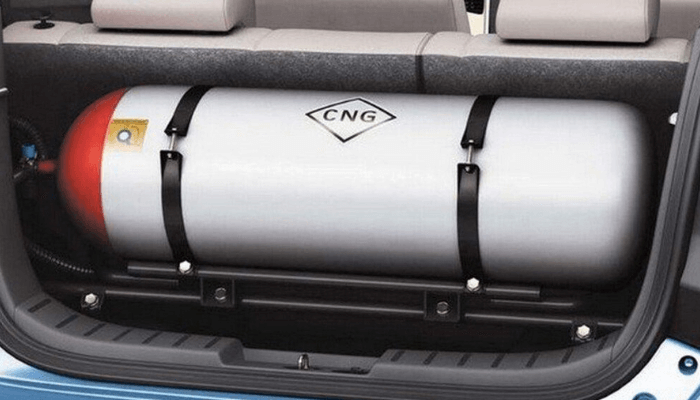
The Nigerian military is adopting Compressed Natural Gas (CNG) to reduce fuel costs and improve operational efficiency, following the commissioning of a CNG daughter station at the Defence Headquarters in Abuja by Barama Energy Resources in partnership with the Nigerian National Petroleum Company Limited (NNPC).
Located at Mogadishu Cantonment, the station is the first of four planned for the initial phase of the military’s CNG programme, with further installations expected across military formations nationwide.
The initiative is aimed at reducing the Armed Forces’ dependence on conventional fuels and lowering transportation and energy costs.
Speaking at the commissioning on Friday, Dipo Jimoh, chief executive officer of Barama Energy Resources, said the company planned to work with NNPC to establish similar facilities across the country.
He said the station was completed within a short period and would operate 24 hours daily, serving military personnel and members of the public.
Jimoh also commended the Nigerian Midstream and Downstream Petroleum Regulatory Authority for granting the approvals required for the project.
Read also: Court sentences two to death for killing NYSC member in Abuja
Representing Bashir Bayo Ojulari, group chief executive officer of NNPC, Ibrahim Ahmed, managing director of the Nigerian Pipelines and Storage Company, said the partnership with the Defence Headquarters would support the military’s energy needs and the government’s drive to promote alternative fuels.
He said the station had a capacity of 1,500 standard cubic metres of gas and could serve up to 100 vehicles at full capacity.
Ahmed said NNPC Retail Limited would handle the station’s operations and maintenance, using its technical expertise and existing energy infrastructure.
He added that the partnership would be extended to other military formations through additional CNG facilities and energy hubs.
Ahmed also disclosed that discussions between NNPC and the Defence Headquarters were at an advanced stage for a proposed filling station and integrated energy hub in Maitama, Abuja.
According to him, the proposed facility could reduce energy costs by up to 60 percent through the transition from conventional fuels to CNG.
Also speaking, Ismail Ahmed, chairman of the Presidential Initiative on Compressed Natural Gas, said the initiative was working with the Armed Forces to establish energy hubs in military barracks with large populations.
He disclosed that about 150 military personnel had undergone a train-the-trainer programme on CNG, with the initiative awaiting their graduation.
He said the transition would help reduce the military’s operational expenditure, particularly transportation costs.
In his remarks, Olufemi Oluyede, chief of defence staff, represented by Wisdom Etuk, chief of defence logistics, said the project was part of the military’s efforts to diversify its energy sources and reduce dependence on conventional fuels.
He disclosed that the Defence Headquarters planned to acquire four CNG daughter stations in the first phase of the programme.
According to Etuk, three additional stations would be deployed around military formations, including Lungi Barracks in Abuja. Further installations would be distributed across the country in consultation with the various services.
He said the facilities would form part of the Armed Forces’ logistics and energy security framework.
Read also: Digital Reality’s Nnamani recognised for strengthening Nigeria’s internet infrastructure
Etuk urged NNPC, Barama Energy Resources and the Presidential CNG Initiative to ensure the proper maintenance and safe operation of the facilities.
He said access to affordable and reliable energy was important to military transportation, logistics, operational readiness and personnel welfare.
