

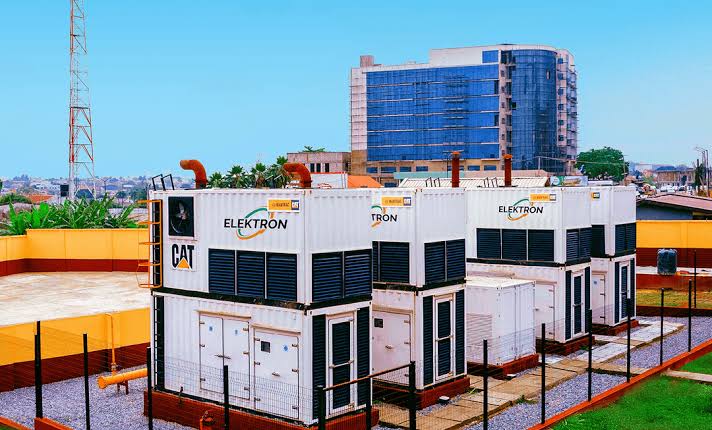
Shell has signed an agreement to sell its entire stake in Daystar Power Group to Elektron Renewables, a unit of Nigeria’s Elektron Energy Development Strategies. The transaction, announced Nov. 17, hands over a solar and hybrid power business with roughly 150 megawatts of installed capacity at more than 400 sites in five countries.
The sale ends a four-year foray into African distributed power that Shell once described as a showcase for its energy-transition ambitions. It also adds to a pattern: the oil major is shedding renewable assets that don’t earn the returns it wants.
What was sold
Daystar operates in Nigeria, Ghana, Côte d’Ivoire, Senegal and Togo. It sells electricity to businesses that can’t rely on the grid. Past customers have included Nigerian Bottling Company, 7Up Nigeria, Seplat Energy and UAC Foods Nigeria. Those customers run factories and offices where outages are routine, so solar-plus-battery systems or hybrid setups that back up diesel generators are a practical alternative.
Financial terms weren’t disclosed. The deal still needs regulatory approvals, and neither side has given a closing date. Daystar’s day-to-day operations are expected to continue unchanged until the sale completes.
Why Shell is selling
Shell’s own explanation is brief. The company said the move reflects a focus on parts of the power value chain where it has differentiated capabilities, including asset-backed power trading and related energy solutions. In other words, Shell wants to trade and market electricity, not own and run small solar systems on customers’ rooftops and factory grounds.
The numbers suggest another reason. When Shell bought Daystar in 2022, it had 32 MW across 300 installations and was aiming for 400 MW by 2025. Growth has fallen well short of that target. At about 150 MW today, the business is less than 40 percent of the way to the goal Shell’s ownership was meant to enable.
Distributed solar in frontier markets is hard to scale. Projects are small, customers are many, and each contract carries credit and currency risk.
In Nigeria, the naira’s weakness complicates dollar-based financing for contracts paid in local currency. A global major can find that profile unrewarding next to LNG, deepwater oil or large power-trading operations. That reading is this article’s analysis, not something Shell has said.
Part of a bigger clean-out
Daystar isn’t an isolated case. This year Shell agreed to sell its European onshore renewables portfolio to TotalEnergies and sold SPRNG Energy, its Indian solar platform, to Aditya Birla-backed investors. Taken together, the sales point to a company pruning its low-carbon holdings toward businesses it expects to pay more.
The retreat also fits Shell’s Nigerian strategy. Last year, Nigeria approved Shell’s $2.4 billion sale of its 30 percent stake in the SPDC joint venture to Renaissance Africa Energy, a consortium of Nigerian and international investors. Shell’s remaining exploration and production arm, SNEPCo, still operates the Bonga field. Shell is leaving onshore oil and small-scale solar while keeping offshore and gas.
The buyer’s bet
Elektron Renewables is the renewable-energy arm of Elektron Energy, whose projects include hybrid gas-and-solar plants and embedded grid-scale solar in Nigeria. Deen Solebo, Elektron’s co-chief executive and chief financial officer, said Daystar’s solar and hybrid capabilities complement Elektron’s strategy to build a broader energy platform across West Africa.
For Elektron, Daystar brings a customer base and regional presence it would take years to build from scratch. For Daystar, a regional owner may be a better fit than a global major that has other priorities. Daystar CEO Yischai Beinisch said Elektron is well positioned to support the company’s next phase.
What to watch
Three things will show how the deal plays out. The first is the price, which neither party has disclosed and which would show how Shell’s investment fared. The second is whether regulators in five countries approve without delay. The third is whether Elektron can grow Daystar faster than Shell did.
The sale also leaves a gap. Commercial customers in West Africa still need cheaper, more reliable power than the grid provides. If big international players keep stepping back, local and regional companies will be left to fill it, with less capital behind them.

Dipo Oladehinde is a skilled energy analyst with experience across Nigeria’s energy sector alongside relevant know-how about Nigeria’s macro economy.
He provides a blend of market intelligence, financial analysis, industry insight, micro and macro-level analysis of a wide range of local and international issues as well as informed technical rudiments for policy-making and private directions.


